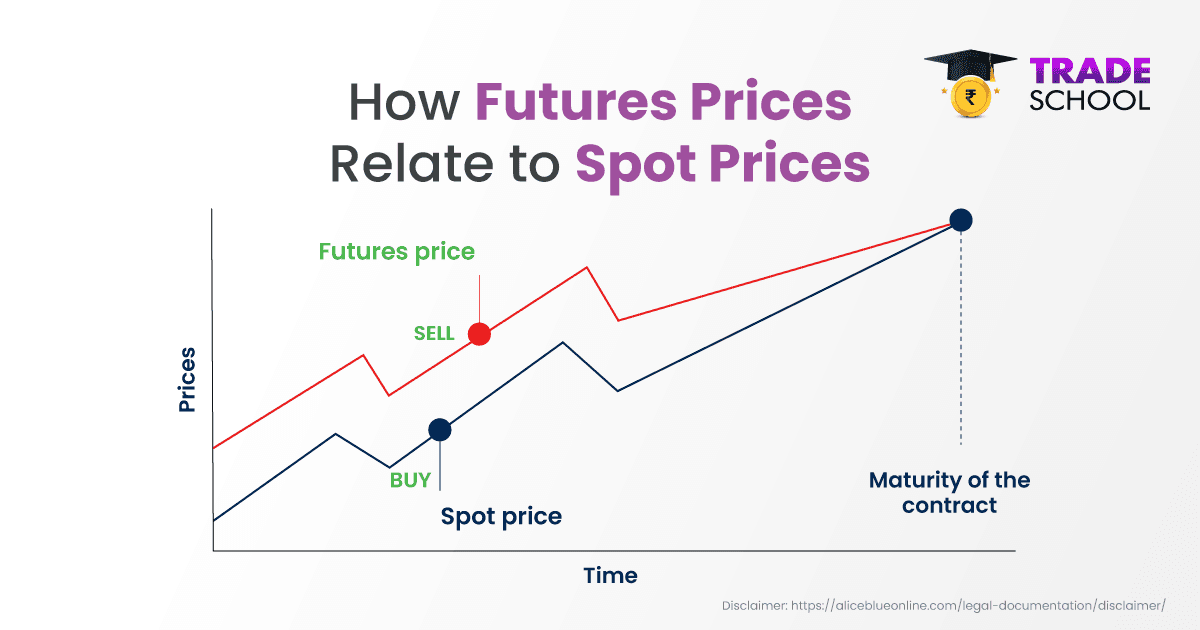
Futures prices are closely linked to spot prices, reflecting the expected value of an asset at a future date. They include the spot price plus costs like storage, interest, or dividends. As expiry nears, futures and spot prices usually converge, reducing price differences significantly.
Introduction to Spot and Futures Prices
Spot and futures prices represent two sides of market valuation. The spot price is what you pay for immediate delivery, while the futures price reflects expected value on a future date. Both help traders manage risks and plan based on market trends and timing.
What is a Spot Price?
A spot price is the current market price at which an asset can be bought or sold for immediate delivery. It reflects real-time supply and demand conditions and serves as the baseline for pricing future contracts, helping traders and investors make quick, informed decisions.
Spot Price Definition
The spot price is the present market value of an asset available for immediate purchase or sale. It represents the most recent agreed-upon price in the open market and is used as a reference point for evaluating futures, options, and other derivative contracts.
Spot Price Examples in commodities and equities
The spot price is the current market price for immediate delivery of an asset. For example, if gold is trading at ₹72,000 per 10 grams or Infosys shares are priced at ₹1,450, those are their respective spot prices in real-time.
What is a Futures Price?
A futures price is the agreed-upon rate for buying or selling an asset at a future date. It reflects current spot prices plus factors like interest, storage costs, or expected changes. Futures prices help investors plan ahead and manage risks related to market movements over time.
Futures Price Definition and contract-based pricing
A futures price is the predetermined rate at which an asset will be exchanged on a future date. It is based on the spot price, adjusted for interest rates, storage, and other costs. Futures contracts help traders manage price expectations and hedge against future market movements.
Futures Price Role in hedging and speculation
Futures prices play a key role in hedging and speculation. Hedgers use them to lock in costs or revenues, reducing future price uncertainty. Speculators, on the other hand, try to profit from price movements by predicting market trends, adding liquidity and depth to futures markets.
Relationship Between Spot Price and Future Price
The main relationship between spot price and futures price lies in their connection through time and market expectations. Futures prices typically reflect the spot price plus costs like storage or interest. As the contract nears expiry, futures prices generally move closer to the current spot price.
| Aspect | Spot Price | Futures Price |
| Definition | The main market price for immediate delivery | The main agreed price for future delivery |
| Time Frame | Reflects current market conditions | Reflects expected future value of the asset |
| Influencing Factors | Demand, supply, and immediate market activity | Spot price, interest rates, storage costs, and time to expiry |
| Convergence | Stays current and changes in real time | Moves closer to spot price as expiry date approaches |
| Use in Trading | Used for instant buying or selling | Used for hedging or speculating on future price movement |
Factors Influencing the Relationship Between Futures and Spot Prices
The main factors influencing the relationship between futures and spot prices include market expectations and sentiment, which shape future price outlooks. Arbitrage opportunities also impact this link, as traders exploit price differences between spot and futures markets to create balance, ensuring prices move toward each other over time.
Market Expectations and Sentiment
Market expectations and sentiment influence futures prices by reflecting how traders feel about an asset’s future value. Positive sentiment may drive futures above the spot price, while negative outlooks may pull it lower. These emotional and analytical views shape how prices are anticipated to move.
Impact of anticipated supply and demand changes
The impact of anticipated supply and demand changes can shift futures prices significantly. If future demand is expected to rise or supply to fall, futures prices may increase. Conversely, expected oversupply or weak demand can lower futures prices compared to current spot levels.
Role of economic indicators and geopolitical events
The main role of economic indicators and geopolitical events is to influence market expectations, affecting both spot and futures prices. Data like inflation, GDP, or employment, along with global tensions or trade issues, shape investor sentiment and cause shifts in pricing across financial and commodity markets.
- Economic Indicators: Economic indicators like GDP growth, inflation, and interest rates affect how traders view future prices. Positive data can lift futures prices, while weak reports may lower expectations and impact both spot and futures values.
- Geopolitical Events: Geopolitical events such as wars, elections, or trade tensions create uncertainty in markets. These events shift investor sentiment, causing sudden movements in spot and futures prices as traders react to possible supply disruptions or economic instability.
Arbitrage Opportunities
Arbitrage opportunities arise when there is a price gap between the spot and futures markets. Traders buy in one market and sell in the other to profit from the difference. This activity helps align both prices, ensuring the markets stay efficient and fairly valued over time.
How Arbitrage Enforces Price Alignment
Arbitrage enforces price alignment by allowing traders to profit from price differences between spot and futures markets. When prices diverge, arbitrageurs buy low and sell high across markets. This repeated activity narrows the gap, pushing both prices closer together and maintaining market efficiency.
Examples Of Arbitrage In Commodity Markets
Example
Let’s say the spot price of gold in India is ₹72,000 per 10 grams. Meanwhile, a gold futures contract expiring in one month is trading at ₹73,500 per 10 grams on the Multi Commodity Exchange (MCX).
Opportunity:
There is a ₹1,500 difference between the spot and futures price. This is known as a contango situation where the futures price is higher than the spot price, often due to storage costs, interest rates, and expected price rise.
Execution:
The trader buys gold today in the spot market for ₹72,000.
At the same time, they sell a futures contract that obligates them to deliver gold at ₹73,500 in one month.
On the contract’s expiry, the trader delivers the gold bought earlier and fulfills the contract at a higher price.
Profit:
Gross profit per 10 grams is ₹1,500. After deducting storage, insurance, brokerage, and delivery costs, the remaining amount is pure arbitrage gain.
Understanding Basis In Futures Trading
Understanding basis in futures trading means knowing the difference between the spot price and the futures price of an asset. This gap helps traders track market trends, identify arbitrage opportunities, and make better hedging or speculation decisions based on pricing relationships over time.
Definition Of Basis
The basis is defined as the difference between an asset’s spot price and its futures price. It reflects market expectations, storage costs, and interest rates. Understanding basis helps traders evaluate price relationships, manage risk, and determine the effectiveness of their hedging or trading strategies.
Types Of Basis
The main types of basis in futures trading are positive basis and negative basis. Positive basis, or contango, occurs when futures prices are higher than spot prices. Negative basis, or backwardation, happens when futures prices trade below the current spot price of the asset.
Positive Basis (Contango)
Contango occurs when the futures price of an asset is higher than its spot price. This usually reflects storage costs, insurance, and interest rates. It often appears in commodities markets where holding the physical asset involves expenses until the future delivery date.
Negative Basis (Backwardation)
Backwardation happens when the futures price is lower than the current spot price. It suggests strong current demand or limited supply. Traders expect prices to fall over time. This condition benefits those holding futures contracts, as they can buy cheaper in the future compared to current rates.
Factors Affecting Basis
The main factors affecting basis include storage costs, interest rates, and supply-demand dynamics. Changes in these elements cause the difference between spot and futures prices to widen or narrow. Understanding these shifts helps traders manage risk and plan effective hedging or arbitrage strategies confidently.
- Storage Costs: When storing commodities like oil or grain, expenses such as warehousing and insurance increase futures prices. Higher storage costs usually lead to a wider basis, especially in markets with limited storage space or seasonal demand.
- Interest Rates: Interest rates influence the cost of holding money tied to the asset. Higher rates raise the futures price compared to the spot price, widening the basis, as traders account for the time value of money.
- Supply and Demand Dynamics: If current demand is strong or supply is limited, the spot price rises above the futures price, creating a narrow or negative basis. Market news, seasonal factors, and disruptions often influence these price shifts significantly.
Market Conditions: Contango And Backwardation
Market conditions like contango and backwardation describe how futures prices relate to spot prices. In contango, futures trade higher than spot due to costs like storage. In backwardation, futures are lower than spot, often driven by strong immediate demand or tight current supply.
What Is Contango? Definition And Characteristics
Contango is a market condition where futures prices are higher than the current spot price. It usually occurs when carrying costs like storage, insurance, and interest are factored in. Contango reflects expectations of stable or rising prices in the future and is common in commodities trading.
- Futures Price Above Spot Price: In contango, the futures price is higher than the spot price. This reflects carrying costs like storage and insurance that increase the cost of holding the asset until the future delivery date.
- Indicates Stable or Oversupplied Market: Contango often occurs when markets are stable or have excess supply. It suggests that there’s no urgent need for the asset now, and traders are willing to pay more for future delivery.
- Common in Commodity Markets: Contango frequently appears in commodity markets such as oil or metals. Since these assets involve storage and maintenance, the futures price includes those costs, pushing it above the current spot price.
What Is Backwardation? Definition And Characteristics
Backwardation is a market condition where futures prices are lower than the current spot price. It often signals strong immediate demand or limited supply. Traders expect prices to fall over time, making near-term delivery more valuable than future contracts in such situations.
- Futures Price Below Spot Price: In backwardation, futures prices trade below current spot prices. This typically happens when there’s strong demand for immediate delivery, making current prices higher than future expectations in the same asset market.
- Indicates Tight Supply or High Demand: Backwardation often signals a supply shortage or urgent demand in the present. Traders pay more for immediate access to the asset, while future delivery is considered less valuable due to expected easing of market pressures.
- Common in Volatile Markets: Backwardation is common in volatile or seasonal markets like energy or agriculture. Sudden disruptions or weather conditions can drive spot prices up, while futures remain lower due to expectations of restored balance over time.
Real-World Examples
1. Contango Example – Crude Oil (April 2020)
During the early months of the COVID-19 pandemic, crude oil markets experienced extreme contango.
Spot Price: Around ₹1,300 per barrel
Futures Price (6 months later): Over ₹2,600 per barrel
Why it happened:
Global demand collapsed, storage facilities were full, and oil producers couldn’t cut output fast enough. Traders were willing to pay more for future delivery due to high storage costs, causing a sharp rise in futures prices.
2. Backwardation Example – Natural Gas (Winter Seasons)
Natural gas often enters backwardation during cold winters.
Spot Price: ₹300 per unit during peak winter
Futures Price (3 months ahead): ₹260 per unit
Why it happened:
Sudden cold waves create immediate demand for heating fuel. Spot prices surge as consumers and utilities scramble to buy gas. But future prices remain lower due to expected milder weather and normalizing supply.
Convergence Of Futures And Spot Prices
Convergence of futures and spot prices happens as the contract nears expiry. Arbitrage ensures this by exploiting price differences between markets. This process shapes trading strategies, helping traders manage risk, lock in profits, and plan positions based on expected price alignment over time.
Mechanism Of Convergence
The mechanism of convergence works as futures contracts approach their expiry date. At that point, the futures price naturally aligns with the spot price because delivery or settlement must occur. This ensures consistency in pricing and prevents large gaps between current and future market values.
Role Of Arbitrage In Convergence
The main role of arbitrage in convergence is to reduce price differences between spot and futures markets. When a gap exists, traders buy low and sell high across markets. This repeated activity brings both prices closer, ensuring alignment as the contract approaches expiry.
- Identifying Price Gaps: Arbitrageurs monitor differences between spot and futures prices. When the gap is large, it signals a trading opportunity. Buying in the cheaper market and selling in the expensive one starts the convergence process.
- Buying and Selling Across Markets: Traders buy the asset in the lower-priced market and sell it in the higher-priced one. This activity increases demand in the cheaper market and supply in the expensive one, gradually narrowing the price difference.
- Convergence Near Expiry: As the futures contract nears its expiry date, arbitrage reduces the gap further. The futures price aligns with the spot price because both markets must settle at the same value for delivery or cash settlement.
Impact On Trading Strategies
The main impact on trading strategies is that convergence allows traders to plan entry and exit points effectively. It supports arbitrage, hedging, and spread trading by reducing price risk near expiry, helping investors lock in profits or minimize losses as prices align over time.
- Supports Arbitrage Opportunities: Convergence helps traders identify and act on price gaps between spot and futures markets. By exploiting these differences, they create low-risk profit strategies that benefit from prices aligning closer to expiry.
- Enhances Hedging Accuracy: For hedgers, convergence reduces uncertainty. Knowing that futures and spot prices will meet at expiry allows better risk management. It ensures more precise protection against price fluctuations for future purchases or sales.
- Enables Spread Trading: Traders use convergence to build calendar or inter-market spreads. By analyzing how two contracts move toward each other, they can design strategies that profit from narrowing price differences while limiting directional market exposure.
Practical Implications For Traders And Investors
Practical implications for traders and investors include using hedging strategies to lock in prices and reduce uncertainty. Speculative opportunities arise from price movements between spot and futures. Effective risk management is supported by understanding convergence, allowing better timing and positioning in volatile or uncertain markets.
Hedging Strategies
Hedging strategies use futures contracts to protect against price fluctuations. Traders and businesses lock in prices to avoid future losses. This is especially helpful in commodities or currencies where uncertain market conditions can impact profits or costs over time.
Speculative Opportunities
Speculators use futures to profit from price changes without owning the asset. They predict market direction and take positions accordingly. Small price movements can result in significant gains, making futures attractive for those comfortable with higher risks and short-term trading goals.
Risk Management
Futures trading supports strong risk management by offering tools to manage uncertainty. Investors can limit exposure to adverse price movements and plan better with predictable outcomes. This helps maintain portfolio stability even during volatile market conditions or unexpected economic events.
Futures And Spot Price Relationship – Summary
- Spot price is for immediate delivery, while futures price reflects future expectations. Traders use both to manage timing and risks, making informed decisions based on current valuations and anticipated market movements.
- The main relationship between spot and futures is time and expectations. Futures prices include spot price plus storage or interest costs. As expiry approaches, futures prices typically align with the spot price, reducing the difference between them.
- Market sentiment and arbitrage shape the relationship between futures and spot prices. Traders use differences to balance markets, gradually narrowing the gap and ensuring aligned pricing through time.
- Basis is the difference between spot and futures prices. This metric helps traders analyze trends, spot arbitrage chances, and make informed hedging or speculative decisions by tracking pricing gaps over time.
- Contango happens when futures prices exceed spot prices due to storage costs. Backwardation occurs when futures trade below spot, usually due to immediate demand or limited supply in current markets.
- As futures contracts approach expiry, prices converge with spot due to arbitrage. This process helps traders manage risk and improve strategies by anticipating price alignment across markets.
- Traders use futures for hedging and locking in prices. Speculators benefit from price shifts. Understanding convergence enhances timing and risk control, especially during volatile market conditions.
Futures And Spot Price Relationship – Faqs
Why Do Futures Prices Differ From Spot Prices?
Futures prices differ from spot prices due to factors like interest rates, storage costs, dividends, and market expectations. These influence the cost of carrying the asset, creating a premium or discount between the current and future value.
What Causes Futures Prices To Converge With Spot Prices?
As futures contracts approach expiry, prices align with the spot price because the opportunity for arbitrage disappears. Traders adjust their positions, and the market settles at a common value, eliminating the pricing gap between the two markets.
How Does Contango Affect Investment Strategies?
In contango, futures prices are higher than spot prices, which may reduce returns for long-term investors. Strategies must account for roll losses when contracts are renewed, making it important to manage timing and cost impacts carefully.
What Is Basis Risk In Futures Trading?
Basis risk arises when the futures price and spot price do not move in perfect sync. This mismatch can reduce the effectiveness of a hedge, causing unexpected gains or losses despite having a futures position in place.
Can Spot Prices Be Higher Than Futures Prices
Yes, spot prices can be higher than futures prices during backwardation. This occurs when immediate demand is strong or supply is tight. Traders value current delivery more, driving up spot prices compared to future contracts.
How Do Interest Rates Influence Futures Prices?
Higher interest rates raise the cost of holding money tied to assets, increasing futures prices relative to spot prices. Conversely, lower interest rates reduce that cost, narrowing the gap between spot and futures in many financial or commodity markets.
What Role Do Dividends Play In Future Pricing?
The main role of dividends in futures pricing is to reduce the futures price of dividend-paying stocks. Since the buyer of a futures contract does not receive dividends, the expected payouts are deducted from the futures value.
How Can Traders Profit From Discrepancies Between Spot And Futures Prices?
Traders profit by exploiting price gaps through arbitrage. They buy in the cheaper market and sell in the expensive one, capturing the difference. This strategy requires precise execution and timing as prices move toward convergence near expiry.
Disclaimer: The above article is written for educational purposes and the companies’ data mentioned in the article may change with respect to time. The securities quoted are exemplary and are not recommendatory.