
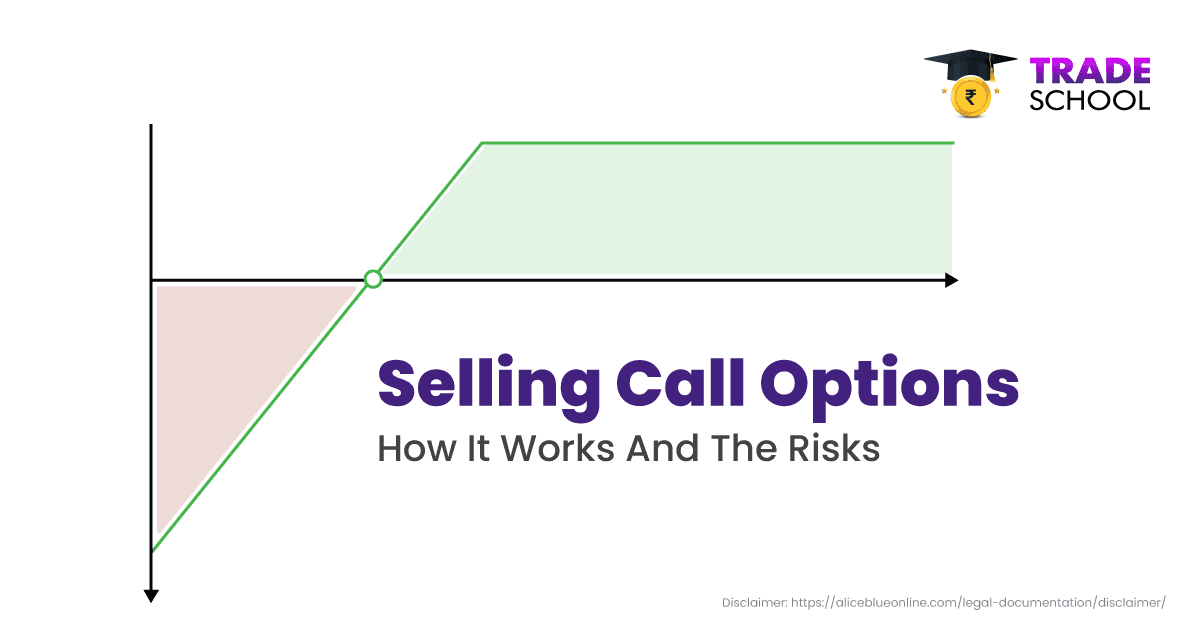
Selling call options means you collect a premium by giving someone else the right to buy your stock at a fixed price. If the stock rises above that price, you may face losses. While it generates income, it carries unlimited risk if the market surges.
What Is A Call Option?
A call option gives the buyer the right to purchase a stock at a set price within a specific time. It is used to profit from rising prices while limiting the buyer’s risk to just the premium paid.
Selling Call Options Explained
Selling a call option means you agree to sell your stock at a fixed price if the buyer exercises the contract. In return, you earn a premium. If the stock stays below the strike price, you keep both your shares and the premium.
Covered Call Vs. Naked Call
The main difference between a covered call and a naked call lies in stock ownership and risk. A covered call involves selling a call option while owning the stock, limiting risk. A naked call is riskier since you do not own the stock, risking unlimited loss.
| Aspect | Covered Call | Naked Call |
| Stock Ownership | Seller owns the underlying stock | Seller does not own the underlying stock |
| Risk Level | Lower risk, limited to losing potential upside | Higher risk, potential for unlimited losses |
| Premium Income | Earns premium plus keeps stock if not exercised | Earns premium, but must buy stock if exercised at a higher price |
| Capital Requirement | Requires holding the stock | No stock required, but may need margin |
| Ideal For | Conservative or income-focused investors | Experienced traders with strong bearish outlook |
| Main Risk | Selling stock below market value if exercised | Unlimited loss if stock price rises significantly |
Covered Call
A covered call is when you sell a call option while owning the underlying stock. It’s a strategy to earn extra income from premiums while holding your shares. If the option is exercised, you may have to sell your stock.
Covered Call Definition
A covered call involves holding a stock and selling a call option on it. This limits upside potential but provides steady income through premiums. It’s considered a lower-risk strategy for conservative investors seeking returns from stable or sideways markets.
When To Use Covered Call
Use a covered call when you believe the stock will stay flat or rise only slightly. It allows you to earn income from the premium while still keeping your stock. This works well for generating returns without selling the shares outright.
Covered Call Benefits And Limitations
The main benefits of a covered call include earning regular income through premiums and offering some downside protection. However, its limitations are capped profit potential and the risk of having to sell your stock at the strike price if the option is exercised.
Benefits
1. Regular Premium Income: You receive a premium upfront for selling the call, providing consistent income. This adds to your overall return, especially in sideways or mildly bullish markets where stock prices do not move dramatically.
2. Lowers Cost Basis: The premium earned reduces your effective cost of owning the stock. This can slightly cushion losses if the stock price falls, making the position more manageable in uncertain markets.
3. Suitable for Conservative Investors: Covered calls are ideal for investors who already hold stocks and want to generate extra income without significantly increasing risk. It is often considered a lower-risk option strategy.
4. Simple to Understand and Execute: Compared to other options strategies, covered calls are relatively easy to learn and apply. You hold the stock and sell calls, making it straightforward for beginners exploring options trading.
Limitations
1. Limited Upside Potential: Your profit is capped at the strike price. If the stock rises sharply, you will miss out on those additional gains beyond the agreed strike, limiting the reward during strong market rallies.
2. Risk of Losing Shares: If the stock price rises above the strike price, you may be forced to sell your shares at a lower-than-market price, which could lead to regret if the stock continues climbing.
3. No Protection Against Major Drops: The premium provides limited downside protection. If the stock falls significantly, the small premium earned may not offset the losses, exposing you to the same risks as holding the stock alone.
4. Requires Stock Ownership and Capital: You must own the shares to write a covered call, which ties up capital. This makes the strategy less flexible than others that do not require buying the underlying asset.
Naked Call
A naked call is when you sell a call option without owning the underlying stock. If the stock price rises sharply, you may face unlimited losses because you’ll need to buy shares at a higher price to fulfill the contract.
Naked Call Definition
A naked call is a high-risk strategy where you sell a call option without owning the stock. You collect the premium upfront but face unlimited loss if the stock surges, as you’ll be forced to buy and deliver it at market price.
When To Use Naked Call
A naked call may be used when you strongly believe a stock will not rise above the strike price. It’s best suited for experienced traders who understand the risks and can monitor the position closely for quick action if needed.
Naked Call Benefits And Limitations
The main benefits of a naked call include earning premium income without owning the stock and using it in bearish strategies. However, its limitations are significant. It carries unlimited risk if the stock price rises sharply, making it suitable only for experienced and disciplined traders.
Benefits
1. Premium Income Without Stock Ownership: Selling a naked call allows you to earn premium income without holding the underlying stock. This can be attractive for traders seeking short-term returns in flat or slightly bearish markets.
2. Useful in Bearish Outlooks: If you expect a stock to stay below a certain level or decline, a naked call can help you profit from that view. The premium is yours to keep if the stock does not rise past the strike.
3. No Capital Tied Up in Shares: Since you do not own the stock, your capital is not locked in buying shares. This frees up funds for other trades, making the strategy more capital-efficient for experienced traders.
4. Flexible for Short-Term Trading: Naked calls can be used tactically for short-term opportunities, such as earnings announcements or overbought conditions, where a stock is likely to stay flat or fall slightly.
Limitations
1. Unlimited Risk Potential: If the stock price rises sharply, you must deliver the stock at the strike price, buying it at a much higher market rate. This exposes you to unlimited losses, making it one of the riskiest options strategies.
2. Requires Margin and High Experience: Brokers typically require a margin account and impose strict limits due to the risk. It is not recommended for beginners, as it demands a solid understanding of market behavior and fast decision-making.
3. Stressful to Monitor: Because losses can escalate quickly, naked call positions require constant monitoring. Unexpected news, strong rallies, or volatile markets can cause sudden losses, making this strategy emotionally and financially demanding.
4. Limited Profit: The maximum profit is capped at the premium received. Unlike the downside risk, which is unlimited, your potential gain is fixed, creating an unfavorable risk-to-reward ratio if the trade goes against you.
How Selling Call Options Works
When you sell a call option, you receive a premium upfront. If the stock stays below the strike price, you keep the premium as profit. If it rises above the strike, you may have to sell shares or cover at a loss.
Risks Involved In Selling Call Options
The main risks involved in selling call options include unlimited loss potential if the stock rises sharply. Margin requirements can tie up significant capital and lead to margin calls. Market volatility adds uncertainty, increasing the chance of unexpected price swings that may trigger large losses.
Unlimited Loss Potential
When selling a naked call, your losses can be unlimited if the stock price rises far above the strike. You may need to buy shares at a high market price to fulfill the contract, making this strategy very risky without proper protection.
Margin Requirements
Selling call options, especially naked calls, often requires a margin account. Brokers demand a certain amount of funds to cover potential losses. If the position moves against you, you might face a margin call and need to deposit additional capital quickly to maintain the trade.
Market Volatility
High market volatility can rapidly increase option prices and move the stock far beyond expectations. Sudden news or shifts in sentiment may cause large swings, increasing risk for call sellers and requiring constant monitoring to avoid unexpected and significant financial losses.
Strategies To Mitigate Risks
Strategies to mitigate risks when selling call options include using covered calls, which limit losses by owning the stock. Diversification spreads risk across assets. Setting stop-loss orders helps control potential losses. Regular monitoring ensures timely decisions during market changes, reducing exposure to sudden price movements.
Using Covered Calls
Covered calls involve selling call options while holding the underlying stock. This strategy limits risk because you already own the shares. It provides income through premiums and reduces potential losses if the stock rises, making it safer than selling naked calls.
Diversification
Diversification means spreading your investments across different assets, sectors, or strategies. This reduces the impact of a single bad trade. By not putting all your capital into one position, you lower the risk of heavy losses if a particular stock or option moves unexpectedly.
Setting Stop-Loss Orders
Stop-loss orders automatically close your position when a certain loss level is reached. This helps protect you from severe market moves. It adds discipline to your trading and ensures you do not hold on to losing positions for too long, limiting damage.
Regular Monitoring
Monitoring your trades regularly helps you respond quickly to market changes. Keeping an eye on prices, news, and volatility ensures you can adjust your strategy or exit a position before losses grow. It also keeps you aware of potential opportunities or risks.
When To Consider Selling Call Options
Consider selling call options when you expect the stock to stay flat or decline slightly. It’s useful if you want to earn extra income through premiums. This strategy works best in stable markets or when you are comfortable selling your shares at a set price.
Market Conditions
Market conditions play a key role in selling call options. This strategy works best in neutral or slightly bearish markets where stock prices are not expected to rise sharply. Stable conditions reduce risk, helping sellers earn premium income without the option being exercised unexpectedly.
Portfolio Objectives
The main portfolio objectives when selling call options are generating steady income, managing risk, and enhancing overall returns. This strategy aligns well with conservative goals, allowing investors to earn premiums while holding stocks, especially when expecting limited price movement or planning to sell shares at a target price.
1. Generating Steady Income: Selling call options provides regular income through premiums. It is a useful way to boost cash flow from existing stock holdings, especially in sideways markets where price movement is limited but income generation is still a priority.
2. Managing Portfolio Risk: Call options can help manage risk by capping potential gains while offering limited downside protection through premium collection. It is a more controlled strategy for investors who want to avoid excessive exposure to volatile price swings.
3. Enhancing Overall Returns: By collecting premiums on stocks you already own, you increase your total returns. Even if the stock does not rise, the premium adds to your profit, making the position more rewarding over time.
4. Selling Shares at a Target Price: If you are willing to sell your stock at a specific price, selling a call option with that strike helps you do so while earning income. It sets a clear exit point while collecting a premium.
5. Supporting Conservative Investment Goals: This strategy supports cautious investors who prefer income over speculation. Selling calls aligns well with goals like capital preservation, income generation, and reducing market exposure without entirely giving up stock ownership.
Tax Implications In Selling Call Options
Tax implications in selling call options depend on how long the position is held. Profits from selling calls are usually considered capital gains or business income. You must report these earnings in your tax filings, including premiums received, exercised outcomes, and any associated losses.
Short-Term Vs. Long-Term Gains
The main difference between short-term and long-term gains lies in the holding period and tax rate. Short-term gains arise when options are sold within a year and are taxed at higher rates. Long-term gains, held over a year, enjoy lower tax rates and benefits.
| Aspect | Short-Term Gains | Long-Term Gains |
| Holding Period | Held for 12 months or less | Held for more than 12 months |
| Tax Rate | Taxed at standard income tax rates | Taxed at lower, preferential capital gains rates |
| Applicability | Most options trades fall here due to short durations | Rare for options unless holding shares after assignment |
| Profit Realization | Quick profits from active trading | Gains from holding positions longer term |
| Impact on Tax Planning | May increase overall tax liability if frequent | Suitable for tax efficiency and long-term strategies |
| Example Scenario | Selling a call option that expires within a month | Selling shares after assignment and holding over a year |
Reporting Requirements
Reporting requirements for selling call options include disclosing all gains or losses in the income tax return under capital gains. Traders must maintain records of transaction dates, premiums received, and settlement details. Filing accuracy ensures compliance and helps avoid penalties during audits or assessments by tax authorities.
Tools And Resources For Selling Call Options
Tools and resources for selling call options include options calculators and educational platforms. Options calculators help estimate premiums, breakeven points, and potential profits or losses. Educational platforms offer tutorials, market analysis, and strategy insights, enabling traders to make informed decisions and improve their understanding of options trading.
Options Calculators
Options Calculators help traders evaluate potential profits, losses, breakeven points, and risk-reward scenarios before placing a trade. These tools simplify complex calculations by allowing users to input strike prices, premiums, expiration dates, and underlying stock prices to make more informed trading decisions.
Educational Platforms
Educational Platforms offer detailed resources, including tutorials, webinars, case studies, and expert insights. They help traders at all levels understand key strategies, manage risks, and navigate market volatility with confidence. Regular learning from these platforms improves decision-making and boosts overall trading knowledge.
Selling Call Options – Summary
- A call option lets the buyer purchase stock at a set price within a specific time. It offers profit from rising prices while limiting risk to the premium paid, making it a flexible trading tool.
- Selling a call means agreeing to sell stock at a fixed price if exercised. You earn a premium, and if the stock stays below the strike price, you keep both the stock and the premium.
- The main risk in selling call options is unlimited loss if the stock rises sharply. The main challenge includes margin calls and market swings that can lead to significant, unexpected financial exposure for the seller.
- Strategies to manage risk include covered calls, which require stock ownership. Diversifying investments, placing stop-losses, and monitoring markets regularly help reduce the impact of volatile movements and improve your decision-making process.
- Consider selling calls when you expect the stock to stay steady or fall. It provides premium income and works best in calm markets, especially if you’re comfortable selling your shares at a predefined price.
- Tax on call option sales depends on the holding period. The main concern is whether profits count as capital gains or business income. Report all premiums, exercised contracts, and losses accurately in your tax return.
- Tools and resources for selling call options include options calculators and educational sites. Calculators estimate potential outcomes, while platforms offer tutorials and market insights, helping traders make smarter decisions and better understand the mechanics of options trading.
Selling Call Options – FAQs
What Is The Meaning Of Selling Call Options?
Selling call options means giving someone else the right to buy a stock from you at a set price before a certain date. You earn a premium but risk having to sell shares if the market price exceeds the strike price.
What Is The Difference Between Covered And Naked Call Options?
The main difference between covered and naked call options is that a covered call involves owning the underlying stock, reducing risk. A naked call is riskier because the seller does not own the stock and may face unlimited losses if the stock price rises significantly above the strike price.
Can I Lose More Than I Earn When Selling Call Options?
Yes, you can lose much more than the premium earned. If the stock price surges beyond the strike price in a naked call, the seller may have to buy the stock at a higher market price to deliver it, resulting in large losses.
How Does Market Volatility Affect Call Option Selling?
High market volatility increases the premiums sellers can earn but also raises risk. Sudden price spikes can lead to unexpected losses. Low volatility reduces premium income but offers more predictable outcomes. Volatility must be carefully considered when planning an options-selling strategy.
What Are The Margin Requirements For Selling Call Options?
Selling naked call options requires a margin account, where brokers hold a specific percentage as security. This margin depends on the stock’s price, volatility, and position size. Covered calls typically need less or no margin, as the underlying stock is already held by the seller.
Is Selling Call Options Suitable For Beginners?
Selling covered calls may be suitable for cautious beginners with stock holdings. However, naked call selling is complex and risky, making it unsuitable for those new to options. Beginners should first understand options fully and start with strategies that limit potential losses.
How Can I Mitigate Risks When Selling Call Options?
Risk can be reduced by using covered calls, setting stop-loss levels, diversifying across positions, and regularly monitoring trades. Choosing stocks with lower volatility and avoiding earnings announcements or major events also helps control unexpected price swings and limits losses in volatile markets.
Are There Tax Implications For Selling Call Options?
Yes, profits from selling call options are subject to capital gains tax. If held under one year, they are considered short-term gains; over one year may qualify for long-term gains. Accurate reporting is required, and losses can sometimes be used to offset other gains.
Disclaimer: The above article is written for educational purposes and the companies’ data mentioned in the article may change with respect to time. The securities quoted are exemplary and are not recommendatory.