
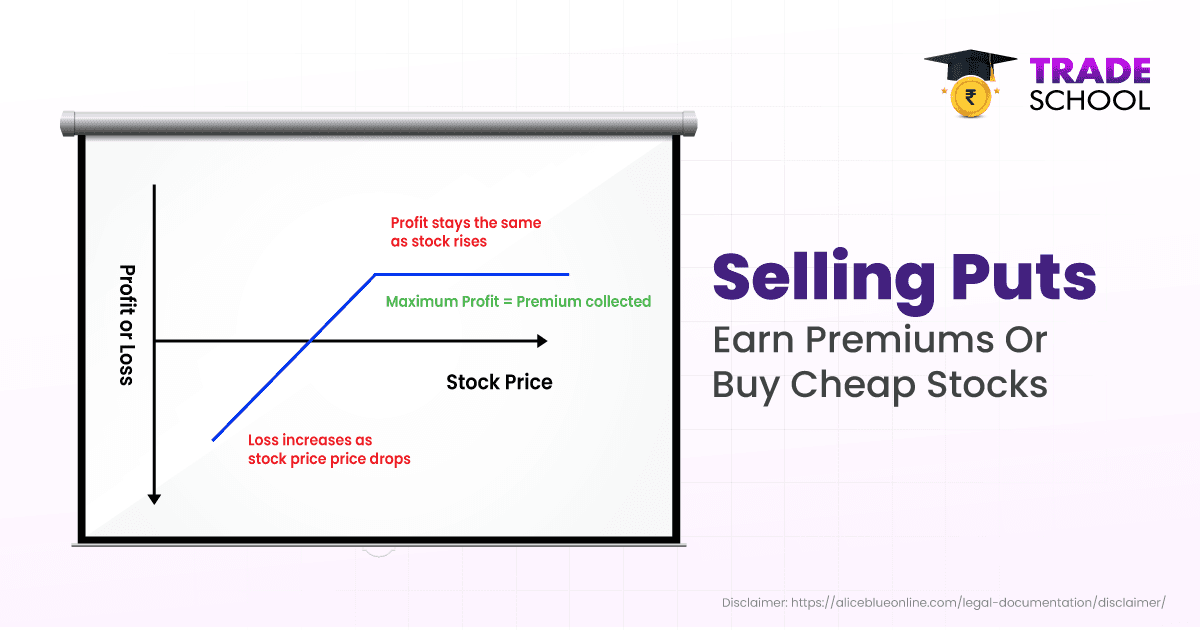
Selling puts allows investors to earn premiums while agreeing to buy a stock at a specific price if it drops. This strategy is ideal when you are willing to own the stock at a lower price and want to generate extra income.
Put Option Seller Meaning
A put option seller agrees to buy a stock at a predetermined strike price if the buyer exercises the option. In return, the seller earns a premium upfront. This strategy is typically used when the seller expects the stock price to remain stable or rise.
How Selling A Put Option Works
When you sell a put option, you’re committing to buy the underlying stock if it falls below the strike price. The buyer pays a premium, and if the stock price stays above the strike, you keep the premium as profit without purchasing the stock.
Obligation To Buy Stock At Strike Price
Selling a put option creates an obligation to buy the underlying stock at the agreed strike price if the option is exercised. This means potential ownership of the stock even if its market price drops, so careful selection and risk management are essential.
When Premium Is Earned Vs When Stock Is Assigned
The main distinction lies in the outcome of the option. Premium is earned when the option expires above the strike price and is unexercised. Stock is assigned when it closes below the strike price, requiring the seller to purchase the shares at that level.
| Scenario | Outcome |
| Option Expires Above Strike | The seller keeps the premium; no stock is assigned. Profit is limited to the premium received. |
| Option Expires Below Strike | Sellers must buy the stock at the strike price, even if the market price is lower. Loss can occur depending on the price gap. |
Benefits Of Selling Put Option
The main benefits of selling a put option include earning premium income and buying stocks at a lower price. This strategy allows investors to generate returns in sideways markets while potentially acquiring quality stocks at prices below their current market value.
Earning Premium Income
When you sell a put option, you collect a premium upfront. This income remains yours whether the option is exercised or not. It’s a way to earn consistent returns, especially in flat or mildly bullish markets, by leveraging market expectations without owning the stock.
Buying Stocks At A Lower Price
Selling puts allows you to potentially buy shares at a discount. If the stock falls below the strike price, you may be assigned the stock at that lower price. This benefits long-term investors seeking entry into quality companies at better-than-market valuations.
Step-By-Step Guide To Selling Puts In India
To start, choose the right broker and platform offering F&O services. Alice Blue’s trading platform is efficient for executing such trades. Select your preferred stock, expiry, and strike price. Place the put option trade and regularly monitor premiums and assignment risks.
Choose The Right Broker And Platform
Selecting a trusted broker with strong F&O support is essential. Look for low margin requirements, order reliability, and responsive customer service. Reliable execution minimizes slippage. A good platform offers option chains, real-time data, and risk tools to manage premium collection and assignments effectively.
Alice Blue Trading Platform
Alice Blue offers an intuitive interface for selling put options. With ANT Web and ANT Mobi, traders benefit from fast order placement, live charts, and easy access to analytics. The platform’s low brokerage fees and seamless experience make it ideal for executing and monitoring put-selling strategies.
Select The Stock, Expiry, And Strike Price
Start by researching the target stock’s fundamentals and technicals to assess its stability and future potential. Use a strike selection strategy, In-the-Money, At-the-Money, or Out-of-the-Money, based on your risk preference and premium goals. Choose an expiry aligned with your investment timeframe.
Target Stock Research
Researching the target stock involves analyzing its financial health, price trends, and market outlook. Investors evaluate earnings, industry position, and recent news to gauge reliability. A well-studied stock increases confidence in strategy, reducing surprises and aligning trades with your risk and return expectations.
Strike Selection Strategy (Itm/Atm/Otm)
Choosing the right strike price involves assessing risk and reward. In-the-money strikes offer higher premiums but greater assignment risk. At-the-money strikes balance risk and return. Out-of-the-money strikes provide lower risk of assignment but yield smaller premiums. Strategy depends on your market view and income goals.
Place The Trade And Monitor Premiums
Placing the trade involves selecting the right option contract, entering order details, and confirming the transaction on your trading platform. After execution, monitor the premium’s movement, option Greeks, and assignment risk regularly. This helps adjust positions based on market trends and manage exposure effectively.
Order Placement Process
This step involves selecting the correct stock, strike price, and expiration date, then entering the trade as a sell-to-open order on your platform. Ensure margin requirements are met before confirming. A seamless process helps secure timely execution and minimizes order entry errors.
Track Price, Greeks, And Assignment Risk
Once the trade is placed, track the premium’s movement along with the option Greeks like delta and theta. Monitoring helps evaluate price sensitivity and time decay. Stay alert for early assignment risk, especially if the stock nears or crosses the strike price before expiry.
Risks Of Selling Put Option
The main risk of selling put options is financial commitment. Ensure cash is available to buy shares if assigned (cash-secured put). Be mentally prepared for the assignment if the stock falls below the strike. Analyze volatility and premiums carefully, as sudden price swings can impact profitability and risk exposure.
Ensure Cash Availability (Cash-Secured Put)
When selling a put option, always have enough cash in your account to buy the stock if assigned. This strategy, called a cash-secured put, protects against forced buying or losses and ensures you’re financially ready for any outcome.
Be Prepared For Assignment
Assignment means you’ll have to buy the stock if it drops below the strike price. Be prepared for this scenario and assess whether you’re comfortable owning the stock at that price. Planning helps you turn an assignment into a long-term investment opportunity, not a surprise.
Analyze Volatility And Premiums
Volatility impacts option pricing. Higher volatility increases the premium but also raises the risk. Always check implied volatility, market conditions, and option Greeks before selling puts. Proper analysis helps you set realistic expectations, capture decent premiums, and avoid unexpected price movements that hurt your trade.
Real-Life Examples: Selling Puts For Profit Or Stock Ownership
Example 1 – Premium Income With No Assignment
An investor sells a put option on Infosys with a strike price of ₹1,400. The stock stays above ₹1,400 till expiry. The investor keeps the premium as profit without having to buy the stock, earning income passively.
Example 2 – Getting Assigned Quality Stock
An investor sells a put option on HDFC Bank with a ₹1,500 strike price. At expiry, the stock drops to ₹1,480, and they are assigned shares. They now own a strong stock at a discount while retaining the premium received.
Best Strategies For Put Option Selling
The main approach to selling put options effectively involves targeting high-quality stocks you’d like to own. Selling short-dated options during periods of high implied volatility can boost premiums. Additionally, using a laddering method helps spread risk by staggering strike prices and expiration dates smartly.
Focus On High-Quality Stocks You Want To Own
Choose fundamentally strong stocks that you would not mind owning if assigned. This reduces emotional pressure during market dips and supports long-term portfolio goals. The strategy aligns income generation with investment quality, creating a safer put-selling approach in volatile conditions.
Sell Short-Dated Options In High Iv Periods
Selling options when implied volatility is high allows you to collect more premium. Short-term contracts limit exposure time and help manage risks better. This approach works best when markets are uncertain but expected to stabilize, allowing profits without holding positions too long.
Use Laddering To Spread Risk
Laddering means selling put options at different strike prices or expiration dates. This spreads out risk and smooths potential returns. If one option gets assigned, others may still expire profitably. It creates a balanced, disciplined structure for managing multiple trades across market conditions.
Beginner Options Selling Tips
Beginner options sellers should focus on risk management, avoid selling naked puts without cash backing, and choose fundamentally strong stocks. Proper position sizing, avoiding high-risk premiums, and learning from each trade helps build confidence and protect capital while gaining experience in the options market.
Selling Naked Puts Options Without Cash Backing
Avoid selling puts without enough funds to buy the stock if assigned. This exposes you to large losses. Beginners should always use cash-secured puts to ensure safety, especially during volatile markets or unexpected price drops.
Chasing High Premiums In Risky Stocks
High premiums often signal high risk. Beginners may be tempted by quick profits, but can end up owning poor-quality stocks or facing losses. Focus on stable, fundamentally strong companies even if premiums are lower, as they offer better long-term risk-reward outcomes.
Ignoring Position Sizing And Portfolio Allocation
Placing too much capital in one trade can disrupt your overall investment plan. Maintain proper sizing and diversify your positions. This helps protect against individual losses and ensures your broader portfolio stays aligned with your financial goals and risk tolerance.
Selling Puts For Income Or Stock Purchase – Summary
- A put option seller agrees to buy stock at the strike price if exercised. They earn a premium upfront and use this strategy when expecting the stock price to stay stable or rise.
- Selling a put means agreeing to buy the stock if it drops below the strike price. If it stays above the strike, you keep the premium and avoid buying the stock.
- To begin, open an F&O-enabled account with a reliable broker like Alice Blue. Choose the stock, expiry, and strike price, then place the trade and monitor for premium changes or assignment risks.
- The main risk of selling put options is needing enough funds to buy shares if assigned. The main focus should be on being cash-secured, studying volatility, and preparing for sudden price shifts that may impact potential gains.
- The main approach is to sell puts on quality stocks you’d like to own. Do it during high volatility for better premiums and use laddering across strikes and expiries to manage risk effectively.
- Beginner put sellers should prioritize capital safety, avoid uncovered trades, and stick with solid companies. Manage trade sizes smartly, avoid chasing risky premiums, and focus on learning and adapting through experience.
FAQs on Put Selling India, Cash Secured Puts Beginner Questions
Is Selling Put Options A Safe Strategy For Beginners?
Selling put options can offer steady income, but it’s not risk-free. Beginners should use cash-secured puts on quality stocks they’re willing to own. Avoid naked puts. Risk control, stock research, and understanding assignment rules are key to making this strategy safer.
What Happens If The Stock Price Stays Above The Strike Price?
If the stock stays above the strike price till expiry, the put option expires worthless. You keep the premium received as profit. No stock purchase is required, and no additional action is needed unless you decide to close the trade early.
How Much Money Do I Need To Sell A Put Option?
To sell a put option, you need cash equal to the strike price multiplied by the lot size. This is called a cash-secured put. For example, selling a ₹200 strike put for a 500-share lot needs ₹1,00,000 as margin or available cash.
Can I Sell Put Options On Nifty Or Bank Nifty?
Yes, you can sell put options on indices like Nifty or Bank Nifty. These are index options with large lot sizes and higher margins. They’re popular among experienced traders for generating income but require caution due to market-wide volatility and leverage.
Is Margin Required For Selling Puts In India?
Yes, selling put options requires margin. If it’s cash-secured, full margin equals the strike price times the lot size. Otherwise, brokers may require additional SPAN and exposure margin. Margin requirements depend on stock volatility, strike price, and remaining time to expiry.
Can I Exit The Trade Before Expiry?
Yes, you can exit a put option trade anytime before expiry by buying back the same contract. This allows you to lock in profits or cut losses early. Many traders actively manage positions based on price action, volatility changes, or market events.
How Do I Calculate Profit In Put Option Selling?
Your profit equals the premium received minus any buy-back cost if you exit early. If the put expires worthless, your full premium is profit. For example, if you sold a put for ₹20 and it expires at ₹0, you earn ₹20 per share.
What If I Don’t Want To Buy The Stock When Assigned?
If assigned, you must buy the stock at the strike price. To avoid this, monitor the position and exit before expiry, especially if the stock trades below the strike. Always keep sufficient funds and understand that the assignment is possible at any time before expiry.
Disclaimer: The above article is written for educational purposes and the companies’ data mentioned in the article may change with respect to time. The securities quoted are exemplary and are not recommendatory.